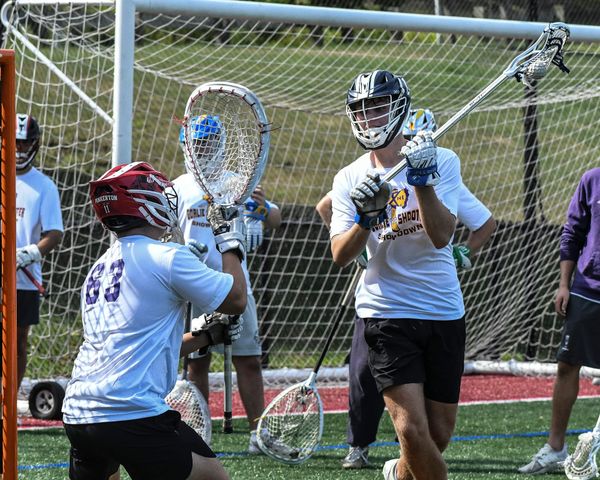
Although delayed, the fall sports season is on for now
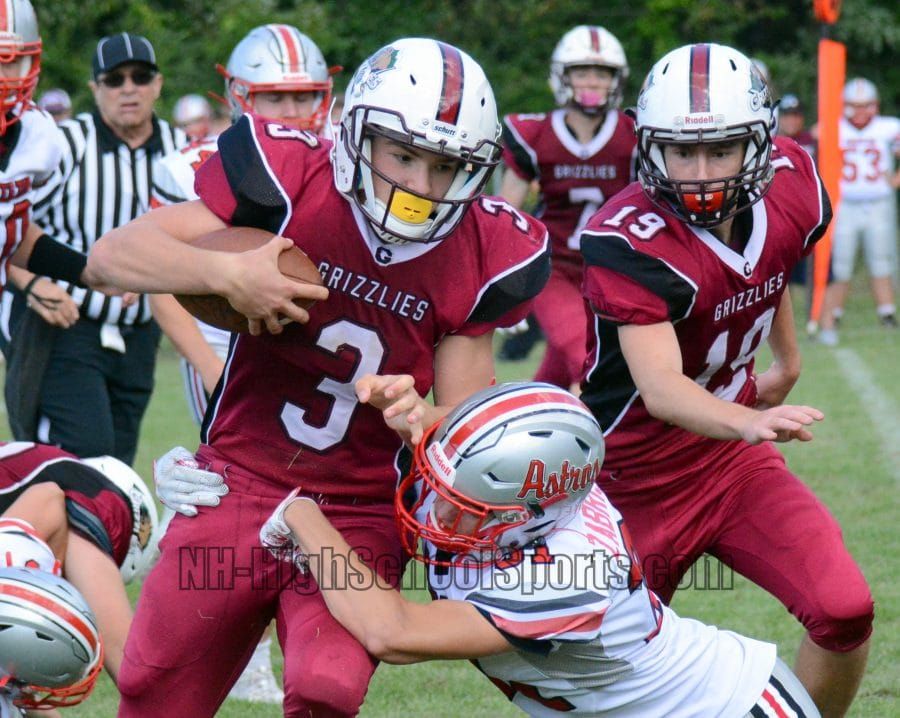
There will at least be an attempt to have a fall high school sports season in New Hampshire in 2020.
While what it will look like is still unknown, and may go through several changes, the NHIAA gave schools and sports fans around the state a rough outline of what the start of the fall season will be.
After announcing on July 30 that the start of practices would be pushed back to Sept. 8, the NHIAA released dates for the beginning of the regular season for the eight sports it offers in the fall.
Golf and bass fishing, considered to be sports where participants are at lower risk of COVID-19, will begin almost right away on Sept. 10. Cross country, which is also deemed low risk, will start on Sept. 18 to allow for runners to condition before the first competitions.
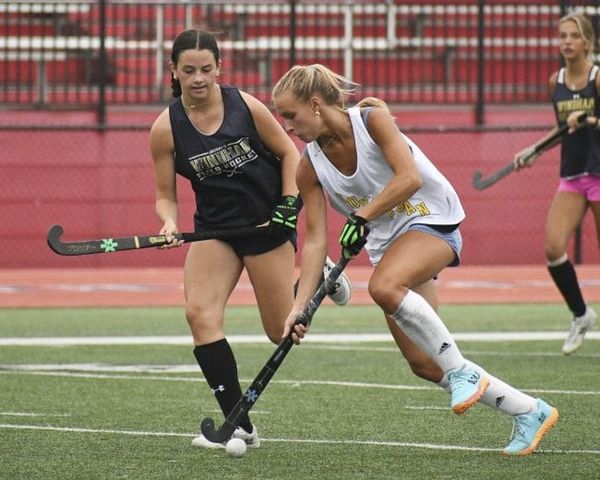
Also starting on Sept. 18 are moderate-risks sports, including girls volleyball, field hockey and boys and girls soccer and unified soccer. Football and spirit will being on Sept. 25.
The announcements were a relief to Kelli Braley, who has coached field hockey and girls ice hockey at Souhegan High School and was named the school’s athletic director this summer.
“It’s a little bit of a relief that we’re over one hurdle,” she said. “Having that recognition of all sports, it opens the door for districts to decided what is best for their students.”
Those decisions are starting to be made. Wilton-Lyndeborough was one of the first to approve sports for the fall and some sports got the green light in Manchester on Monday. Some schools are still undecided and may opt to not have any fall sports.
New Hampshire’s low numbers of COVID-19 cases, relative to other parts of the country, and the fact that summer sports leagues and tournaments have taken place without any real outbreaks has Goffstown’s Justin Hufft feeling somewhat optimistic. The Grizzlies athletic director wondered if it would have even been possible to have practices start on time.
“The delay was a little more than what we expected or were hoping for in some ways,” he said. “Teams have been doing voluntary workouts. Athletics have happened (this summer) and done well, so the fact we moved it back, I think, is too bad, but I understand why.”
Football was originally scheduled to begin on Friday, while the rest of the fall sports would have been able to start on Aug. 17.
“There is so much going on with trying to plan reopening of schools, it had to be tabled out of necessity,” Hufft said. “The NHIAA has done a great job with the individual sport committees and we’ve met with the sports medicine committee. They’ve put together guidelines for each sport.”
Having that delay gives each school and its administration more time to make an educated decision, according to Derryfield athletic director Chris Hettler.
“Everyone has spent so much time just to open the buildings for academics, athletics was last on the table,” he said. “In that respect, it gives the athletic directors and superintendents more time to say what sports can we do and how can we do them safely.”
While guidelines are in place to make practices and events safe for student athletes, there’s no plan that can guarantee no one gets sick. What happens if there is an outbreak is also something that hasn’t been determined.
“Everything is hypothetical and there are 45 million situations we’re all trying to plan for,” Braley said. “Keeping the kids safe is paramount. We always worry about keeping them safe, but right now there is a real danger. We’re making sure that that is met first and foremost is the biggest challenge.”
One other question that will have to be answered by each school district is transportation. Even is sports are a go and schedules are put together, how will one team travel safely to play another.
“Districts have to decide what their stance is on transportation,” Hufft said. “How many are allowed on a bus, with face masks or not. The pool of drivers could get depleted. There already was a crunch.”
Hettler feels it could be an easier problem to solve for smaller schools like Derryfield because the school offers fewer sports and may have smaller rosters.
“We could even start look at a weekend model,” he said. “Schedule games for Saturday and Sunday and go old-school youth sports, where mom and dad drive you and you leave from there after.”
A lot still needs to be decided before the Sept. 8 start date, and news could come quickly, as there could be a domino affect of schools deciding to play or not to play.
“There’s really no playbook for what is going to be best,” Braley said. “Getting the kids an education had to be first. Athletics is a phenomenal enhancer of classroom lesson, but the educational program has to come first.
“If that’s put at risk by athletics, then I’d understand.”
Some schools have already decided to return to remote learning for the fall, but should that automatically mean they won’t have sports in 2020?
“Being remote is about the school day being indoors,” Hufft said. “With athletics, we’re outdoors for every fall sport except one. It almost makes it more important to get the kids involved.
“Let them do activities where they are outside and being active, where they’re controlled and managed. We can’t say there’s no risk, but I don’t agree with the opinion that if we are remote, we can’t have athletics.”