NHIAA preparing for a fall sports season unlike any other
Every year, the New Hampshire Interscholastic Athletic Association recognizes the sports that are going to be sponsored for the upcoming school year, allowing its members to participate in whichever ones they chose.
This year, for the first time, Jeff Collins felt it was something that had to be done publicly.
That’s just one of many things the executive director of the NHIAA knows will be different about this fall sports season, and beyond.
“I wish I had a crystal ball, I really do,” Collins said. “It’s difficult to say what it will look like this fall. The safest thing to say is that it won’t look like any other fall we’ve had. That’s true for the entire country.”
By recognizing all fall sports offered, the NHIAA allowed for schools to decided which ones they want to participate in this fall. Since doing so on July 30 – and announcing start dates for practices on Aug. 6 – school districts across the state have been making decisions on whether or not to play this fall, and in which sports they feel comfortable participating.
That move made New Hampshire the first state in the Northeast to give the green light for fall sports, something that the NHIAA felt comfortable doing because of the guidelines Gov. Chris Sununu and the state’s Re-Opening Task Force put in place during the summer.
“The governor announced on July 3 that all sports were free to go ahead,” Collins said, referring to the state’s re-opening guidelines for amateur and youth sports. “The Re-Opening Task Force created a list of guidelines, it outlined different precautions dictating the way forward.
“If things change and the landscape changes, we’ll certainly change, too. But most of New England is waiting for their governors to make a call and ours has. Sports have been going on all summer long.”
And because of that, some thought it might be best to keep the start of fall practices and games when they were originally scheduled. Football practices were set to begin Aug. 14, with all other sports starting Aug. 17, but the NHIAA moved those dates back to Sept. 8 for every sport.
“We got some comments that it’s never safer than right now,” Collins said. “The return to school is the most pressing need for school districts. Our board took the stance that we needed to get the schools time to figure out game plans.
“It was in the best interest of our 89 member schools to shift the start days. We haven’t put anything out to our constituency on what sports to offer. They don’t need the NHIAA breathing down their necks.”
Once schools have decided on whether or not to return, schedules will be put into place.
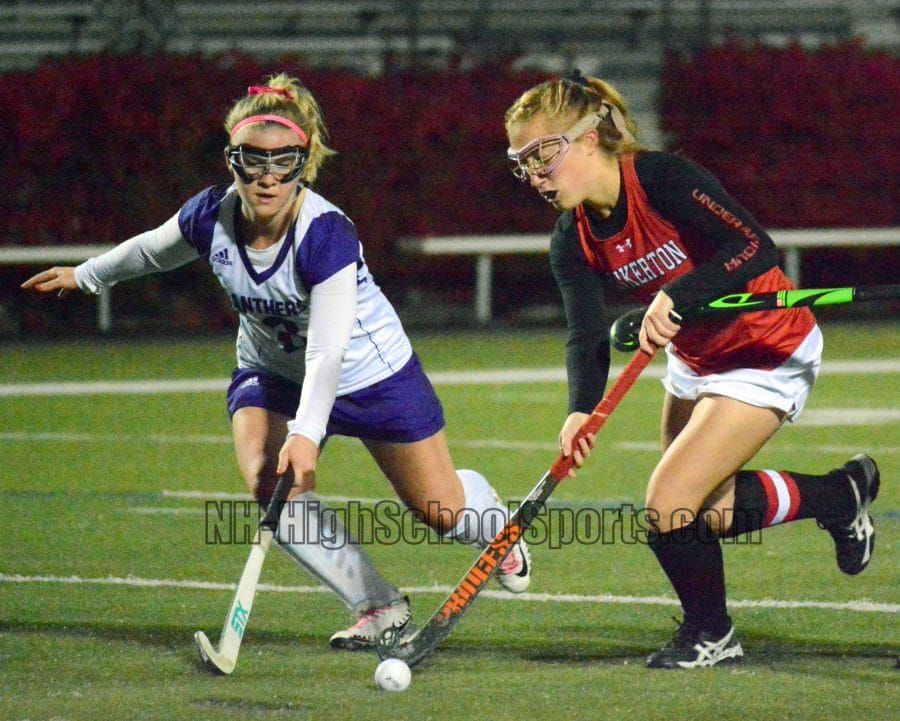
For this fall, postseasons in field hockey, boys and girls soccer, girls volleyball, cross country and bass fishing will be open tournaments. That will allow teams to construct regular-season schedules with as few or as many games as they feel comfortable with, and against schools in their region, as opposed to in their division.
“We wanted to allow schools the maximum amount of flexibility in scheduling,” Collins said. “Some school districts are concerned about kids getting a bus to travel (to games). We tried to take away some barriers that would make it impossible for districts to allow kids to play.”
No decision has been made yet for the postseason for football and golf.
As to what those regular-season contests look like off the field, whether there will be spectators and whether masks will be required, is up to each school.
“The state guideline has recommendations, but for the regular season, it’s up to the schools,” Collins said. “Whatever the host school’s rule is, that’s the rule that needs to be followed. It doesn’t matter if your district is allowing fans, if you’re traveling and (the school) says no fans, that’s what it is going to be.”
What happens this fall will not only help the NHIAA plan for the winter and spring seasons, but for possible changes further down the road, once the pandemic ends.
“We’ll learn a whole lot more once we get through it,” Collins said. “We don’t know how it’s going to look. If we get a fall season in, what does the winter look like? If we need to delay, how does that work.
“We’ll certainly spend time, hopefully when we get through this, to reflect on what we did and didn’t do. Hopefully, we never have to get through a pandemic again.”